Seton Collegiate Church

Ok this might not have anything to do with the tv series or the books but it has connections to the time period the books are set in.

Seton Collegiate Church is on the road from Prestonpans to Longniddry. It is not far from where the Scots were at the Battle of Prestonpans.

Collegiate churches are so called because they housed a college, or community, of priests. These were brought together by the local landowner to pray for his and his family’s salvation. During the course of the 15th century, the Setons began the process of raising their parish church to collegiate status. After the death of Lord John Seton in 1434, his widow, Lady Catherine, added a small side-chapel to the south side of the church, to house her late husband’s tomb and a private altar. (The chapel no longer exists.) (Source – Historic Scotland)

It was damaged by zealots during the Wars of the Covenant in the mid 1600s, and the Setons’ support for the Jacobite cause led to it being desecrated again in 1715, this time by the Lothian Militia. At some point during this period the original nave, the only part of the church without a vaulted stone roof, fell into disuse and was demolished. The church later passed to the Earls of Wemyss who restored the surviving parts to become a family burial vault, and they in turn passed it into state care in 1946. (Source – www.undiscoveredscotland.co.uk )

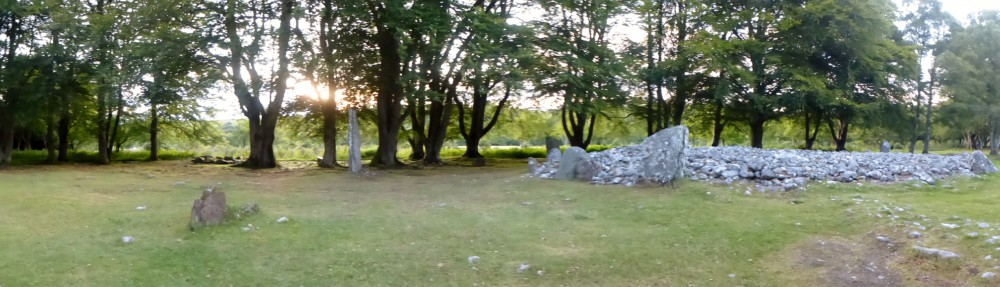
The church is set in charming well kept grounds. As we wandered round I spotted several slate signs which sounds like advice Claire might have used.


Mill at Lallybroch (Preston Mill)

Preston Mill was used for the Mill at Lallybroch. Preston Mill is in the village of East Linton in East Lothian. It is a National Trust for Scotland property which is only open Thursday to Monday during the summer. It offers guided tours around the kiln and mill. Next to the shop there is a small exhibition which includes some photos from when Outlander filmed at this location.

A very picturesque place worth visiting.

Castle Leoch (Doune Castle)

Today’s day trip was to Castle Leoch aka Doune Castle. I had  been here before a few years ago due to the castle’s connection with Monty Python – Monthy Python and the Holy Grail was filmed here in the late 1970s.

Unlike other Historic Scotland properties there are not many information boards so it is worth using the audio tour narrated by Terry Jones.

Doune Castle features in several episodes of Outlander. It was interesting to walk around the castle imagining where scenes were filmed.

I then went for a walk down by the river – no sign of Jamie.

Linlithgow Palace

Another day another location this time Linlithgow Palace. This was used as part of Wentworth Prison in Wentworth and To Ransom a Man’s Soul. The entrance and some corridors were used.

It had been a while since I had been to Linlithgow Palace. The last time was with my children when one of them was studying Mary Queen of Scots at primary school. I had forgotten how beautiful the place is and large. It was fun wandering around trying to work out what and where had been used in the series.

Linlithgow Palace was a royal palace. The last royalty to stay there was Bonnie Prince Charlie on his way to Edinburgh. The palace was destroyed by fire in 1746 after a visit from the Duke of Cumberland!


Tour of the Battle of Prestonpans

Just over a week ago I made a comment on Outlandish UK Facebook page that there wasn’t much to mark the Battle of Prestonpans. Well this sparked another member of the group to prove me wrong and organise a tour of the Battlefield.

On Saturday 11th July a group of Outlander fans – with some husbands in tow – met at Meadowfield Sports Centre, Prestonpans. We were joined by Arran Johnstone, head of the Prestonpans Heritage Trust.

We started by walking up the old wagon way to Tranent Church. Initially the Jacobites occupied the churchyard but later withdrew to Tranent. Then as the battle took place this is where Colonel Gardiner was taken when wounded and he later died in the manse. He is believed to be buried in the churchyard but currently his grave maybe covered with undergrowth.


From the churchyard we walked back down the wagon way and up the man made pyramid hill to the battle viewpoint. Steep climb but worth it for the view and information at the top – this is in the process of being updated. The flag flown is Bonnie Prince Charlie’s standard. This is changed to the union flag for one week of the year between the anniversary of the birth and death of George II.

Next we walked towards the road and joining back up  the wagon way. Here Arran pointed out where the battle took place and described the events of the battle. We could have listened for hours about what happened in September 1745.

We retraced our steps and walked back along the road into a park area where we were surprised to find a memorial to Colonel Gardiner marking roughly where the thorn tree was where he was wounded.

P1000903From here we walked through bushes down a makeshift path into    Thorntree Fields. This is where the fallen from both sides were buried by the locals of Prestonpans in four pits. This area is under threat by developers who wish to build industrial units on this site. The Prestonpans Historical Trust wish to buy or lease the land and create a memorial to all the fallen. More information on this can be found on the Historical Trust facebook page. This is a very peaceful place and it would be a shame to loose this.


The tour continued with us walking to Bankton House and the Colonel Gardiner memorial. Bankton House was Colonel Gardiner’s house and after the battle was used as a field hospital to treat the wounded of both sides. Bankton House was destroyed by fire but where it was rebuild the outside had to kept the same as the original. It is now a private residence. Outside the grounds of the house the memorial to Colonel Gardiner can be found. This was built in the 1800s and could be seen from passing trains.

The tour concluded back in Meadowfield Sports Centre car park. An enjoyable afternoon was had by all. I learned more about the battle and hope to revisit the sites again soon.

A Jacobite Jaunt

Another place to visit when we head to Inverness later this month.

dreid1746's avatarCulloden Battlefield

This week we went on what has become affectionately known by those at Culloden as the ‘Jacobite Jaunt’. Every year as a thank you to our volunteers we try to organise a day out where we can explore new places of Jacobite interest and also have a bit of fun. So this Thursday a bunch of us headed out on the latest jaunt to see what we could find.

Expertly led by our fearless learning officer Jon we started off by heading into town to Inverness Museum. Here we were given a great tour of the site and taken back stage to see some of the artefacts in storage. This included a waistcoat supposedly worn by Prince Charles Edward Stuart which was gorgeous and letters and documents from the 18th Century. We also got the chance to feel the difference between older tartan compared to modern day. Thanks to the…

View original post 523 more words

Midhope Castle aka Lallybroch

To finish of our Friday adventures we visited Midhope Castle. We followed the advice from one of my previous posts and visited Hopetoun Farm Shop before heading to Midhope. We were able to drive onto the private road as we had a permit. As I walked along the lane and Midhope came into sight it was exciting, imaging the scenes filmed here.

Midhope Castle is a 16th century tower house situated on the Hopetoun estate on the outskirts of Edinburgh.

What can be seen today is a derelict much-altered 5 storey oblong tower house. In 1678 Midhope was given a facelift, when an entrance tower was removed and the extension to the east was heightened and extended. A new doorway was added along with a small courtyard to the south.

P1000891During the later 16th century the castle belonged to Alander Drummond of Midhope. A stone inscribed ‘AD 1582 MB’ commemorates Alexander and his wife Marjory Bruce.


Tuilyies Standing Stones, Fife

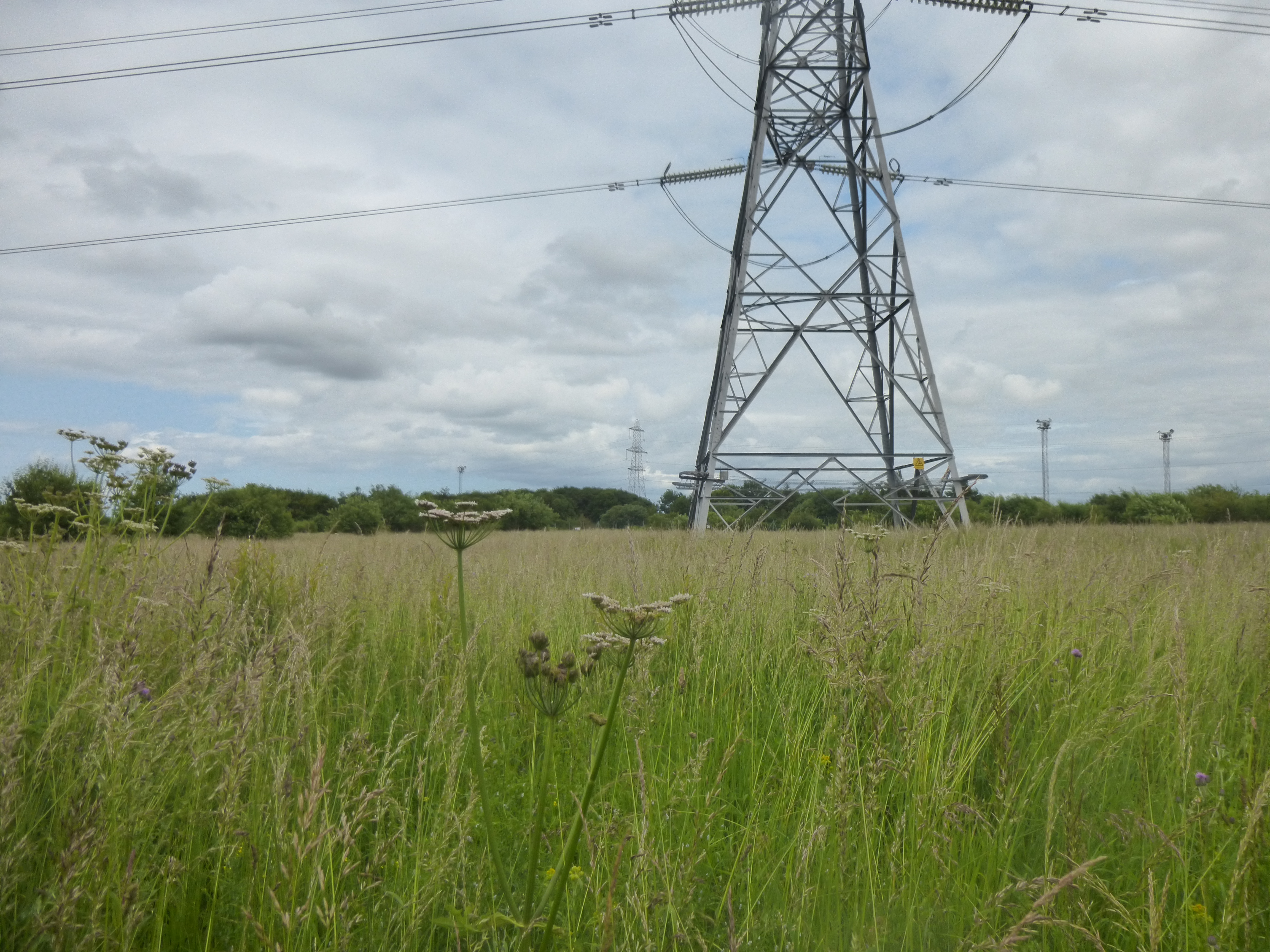
Before heading out I had discovered a blog post on Adventures Around Scotland. In the post the author mentions Tuilyies Standing Stones, so after Aberdour we drove along A8985 and found the stones. We didn’t manage to go into the field but managed to take some photos from the side of the road. There is a layby just by the stones so it is save to stop.

More information can be found here.

Aberdour Castle

This Friday’s visit with husband was Aberdour Castle. The castle was used in the last episode of series 1 – To Ransom a Man’s Soul.

We enjoyed walking round the castle discovering different parts. In a ruined part of the castle we found the kitchen with a big open fireplace which included a bread oven. The gardens are beautiful though I was surprised to find out they were only rediscovered in the 1970s.

The 12th century fortified residence of Aberdour was extended by the Douglases in the 15th, 16th and 17th centuries.

It boasts a delightful walled garden and terraces with beehive-shaped dovecot.